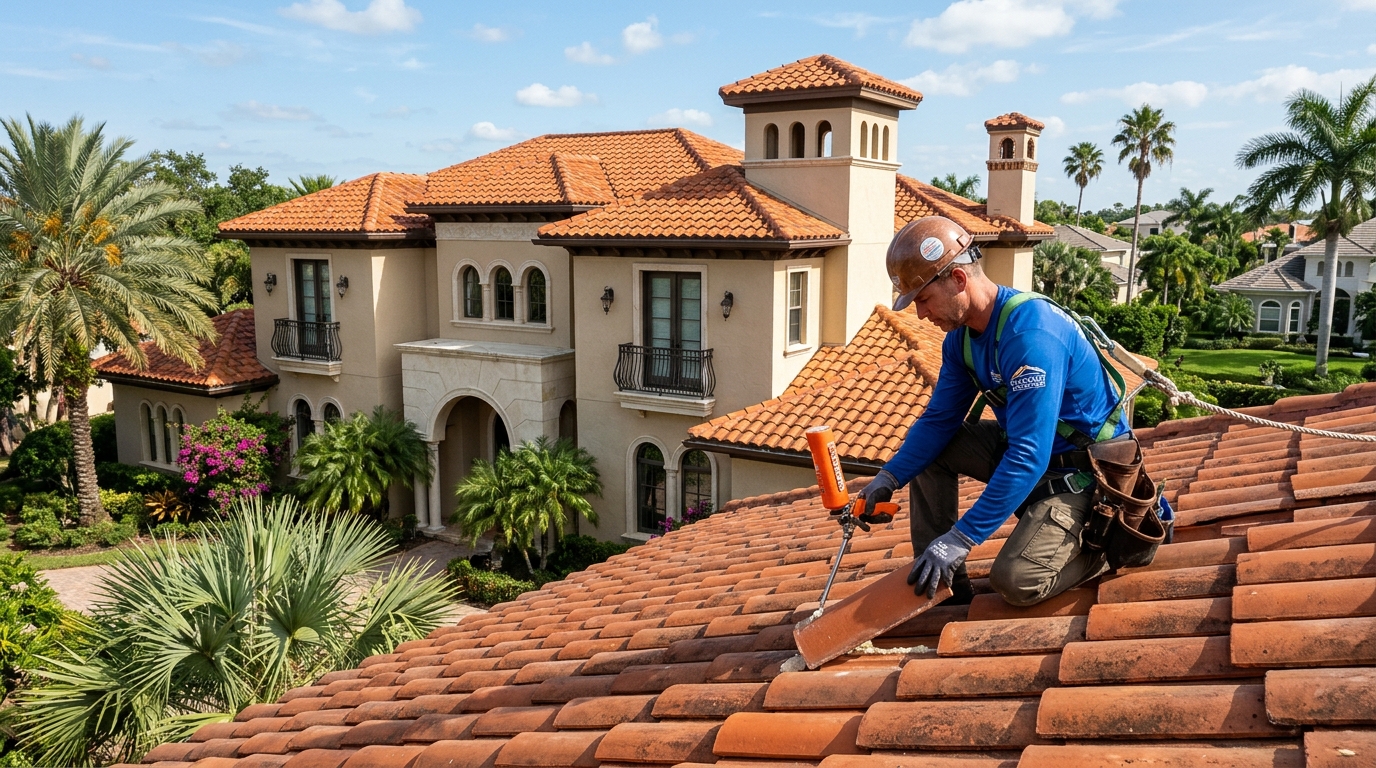
Active Emergency Situation: Immediate Action Required
Ultraviolet radiation and sub-zero Lake Erie freeze-thaw cycles splitting brittle EPDM rubber collars and cracking skylight corner solder joints. When acute water intrusion or structural weather barrier failure strikes a residential or commercial property in Lucas or Wood County, immediate physical intervention is mandatory to prevent progressive framing decay, saturated attic insulation, ceiling drywall collapse, and toxic mold proliferation.
Standard Emergency Field Protocol:
- Step 1: Removal of surrounding shingle courses to inspect underlying deck sheathing for dry rot or moisture saturation
- Step 2: Replacement of cracked rubber boots with lifetime silicone-collar or heavy-gauge lead pipe flashings
- Step 3: Disassembly and cleaning of skylight perimeter weep channels to ensure uninhibited condensation drainage
- Step 4: Application of self-adhering SBS modified bitumen membrane collar around the base of the penetration
- Step 5: Re-weaving architectural shingles with dual-ply cold elastomeric adhesive around flashing flanges
1. Western Lake Erie Microclimate Dynamics & Severe Winter Exposure
The Toledo metropolitan area experiences extreme microclimatic stress resulting from its position at the western terminus of Lake Erie. Sub-zero Canadian air masses sweeping across open, flat terrain collide with warm lake moisture plumes, generating high-velocity gale winds exceeding 60 mph alongside heavy lake-effect snow accumulation.
These weather extremes inflict severe damage on roofing systems. Gale-force winds produce severe aerodynamic negative pressure (uplift) along windward eaves and ridges, fracturing cold-stiffened shingle tabs along their thermal seal lines. Concurrently, rapid freeze-thaw oscillations transform rooftop snow into massive ice dams. Meltwater flowing beneath snowpack encounters cold unheated eaves and freezes, creating an impenetrable ice dam. Trapped standing water then backs up beneath overlapping shingle courses by capillary draw, saturating roof decking, attic framing, and interior ceilings.
Key Technical Engineering Protocols for Toledo Roof Systems:
- ASTM D1970 Self-Adhering Membrane Protection: Mandatory application of rubberized SBS modified bitumen ice barrier extending from eaves to a minimum of 24 inches inside the interior heated wall line.
- Sub-Zero Fastener Pull-Through Resistance: Requirement for ASTM D7158 Class H wind-rated architectural shingles fastened with six galvanized ring-shank nails per tab located precisely along reinforced nail lines.
- Historic Decking Reinforcement: Inspection and replacement of warped 1x6 tongue-and-groove pine board decking with exterior-grade CDX plywood in older Toledo neighborhoods.
- Expansion-Tolerant Counter-Flashing: Two-piece reglet flashing assemblies set with ASTM C920 Class 50 polyurethane sealants to absorb heavy thermal expansion without bond failure.
2. Non-Destructive Moisture Diagnostics & FLIR Thermal Tracing
Pinpointing the exact source of water ingress on a complex Toledo roof requires advanced diagnostic instruments rather than destructive trial-and-error drywall cuts. Dispatched local crews utilize calibrated FLIR® high-resolution thermal imaging cameras and dielectric capacitance moisture meters to track water intrusion non-invasively.
Because wet fiberglass insulation, saturated cellulose, and damp wood structural rafters retain and radiate thermal energy at distinctly different rates than adjacent dry building materials, infrared thermography displays active subsurface moisture migration pathways as clear thermal anomalies. Dispatched specialists map these temperature gradients to trace moisture from the interior ceiling drip point back through the rafter bays to the precise exterior breach on the roof surface.
3. Step-by-Step Substrate Restoration Methodology
Permanent recovery from storm damage and ice dam breaches in Northwest Ohio demands disciplined construction engineering:
- Phase 1: Emergency Weather Envelope Dry-In: Crews immediately seal the exterior breach using commercial-grade 10-mil woven poly tarps, secured with 2x4 spruce timber battens fastened into structural trusses to resist Lake Erie gale gusts.
- Phase 2: Substrate Deconstruction & Sheathing Inspection: Compromised shingles, saturated felt underlayment, and delaminated wood decking are cut away back to sound structural framing. Exposed rafters are inspected for rot or mechanical cracking.
- Phase 3: High-Performance Ice Barrier Installation: Fresh CDX plywood decking is installed, followed by full-surface heat-bonding of self-adhering SBS modified bitumen membrane (ASTM D1970 compliant) over all eaves, valleys, and wall transitions.
- Phase 4: Architectural Shingle Installation & Sealing: Color-matched architectural laminate shingles are hand-nailed using 6-fastener high-wind patterns. All flashings, dormer reglets, and chimney joints are sealed with commercial polyurethane sealants.
4. State Building Codes & Contractor Licensing Compliance
All roofing restoration work performed through our referral network complies strictly with the Ohio Residential Building Code (RCO Chapter 9), the City of Toledo Division of Building Inspection standards, and municipal ordinances across Lucas and Wood counties.
Every independent roofing contractor dispatched through our network maintains active municipal contractor registrations, up-to-date Ohio Bureau of Workers' Compensation coverage, and a minimum of ,000,000 in commercial general liability insurance. This ensures full legal compliance, proper permit issuance, and complete homeowner liability protection.
5. Preventative Property Maintenance & Winter Preparedness
Property owners in Greater Toledo can dramatically reduce the risk of catastrophic winter roof leaks by adopting proactive envelope maintenance habits:
- Attic Insulation & Ventilation Balancing: Ensure an uninterrupted path for exterior air to flow from soffit intake vents to ridge exhaust vents, maintaining a cold roof deck that prevents snow melting and subsequent ice dam formation.
- Gutter & Downspout Maintenance: Clear gutters, downspouts, and underground drainage pipes of organic debris to ensure rapid storm runoff without overflow.
- Tree Canopy Management: Trim mature hardwood branches located within 10 feet of the roofline to prevent high-wind limb shearing and heavy impact punctures.
- Post-Storm Assessment: Schedule a professional forensic inspection immediately following any gale-force wind or heavy winter storm event to document displaced shingles or flashing movement before latent leaks develop.
Facing Active Storm or Ice Dam Damage in Greater Toledo?
Zero web forms, callback queues, or email delays. Speak immediately with a live dispatch intake specialist to evaluate your emergency and mobilize on-call licensed local crews.
CLICK TO CALL DISPATCH: (888) 208-4155